

MEDONTRAY

Updated: Jan 13

Have you ever felt coerced when consuming medicine? As the saying goes "Bitter pills may have blessed effects", the flavor of medicine to many patients is akin to a gross venom that is counterproductive. However, flavor is manifested inside the wok of alchemists. When these values in medicine are transformed into the art of cooking, the allure of medicine is unable to resist.
With this regard, Heal Health inaugurates MEDONTRAY, a series taken inspiration from "medical entrée" meaning a nutritional dish which encapsulates ingredients in culinary delights that grant health benefits. Throughout this appetizing series, Heal Health will bring out the best of both worlds.
Turmeric

During the Middle Ages, while other countries traded with silk or materials, India's signature in commerce was culinary seasoning. Turmeric was given the nickname “Indian saffron,” both because of its color and its use as an alternative to the much more expensive spice. In the 19th century, turmeric crossed the Atlantic with indentured Indian workers, and it became an integral ingredient in Caribbean curries and stews.
Like other colorful plant-based foods, turmeric is rich in phytonutrients that may protect the body by neutralizing free radicals (pollution, sunlight) and shielding the cells from damage. Research studies have shown some possible benefits of turmeric for: inflammation, degenerative eye conditions, metabolic syndrome, arthritis, hyperlipidemia (cholesterol in the blood), anxiety, muscle soreness after exercise, kidney health.

Turmeric has long been used as a medicinal herb in both ayurvedic and traditional Chinese medicine.
Curcumin, a potent antioxidant compound in turmeric, as the source of its anti-inflammatory, antibacterial, and antifungal properties, has been linked to potential health benefits that include improving brain function, alleviating pain, stabilizing blood sugar, and reducing the risk of heart disease and certain cancers.
Today, ground turmeric lends its gorgeous golden hue and distinctive flavor to Indian curries, American mustard, dill pickles, and nondairy cheese recipes. Turmeric is also an integral ingredient in chili powders and Middle Eastern spice blends.
Garlic

Have you ever tried seared steaks, fried dumplings, cookies or toasted marshmallows before? You have probably eaten the products of the Maillard reaction, a chemical reaction between amino acids and reducing sugars to create melanoidins, the compounds which give browned food its distinctive flavor.
Garlic, if fermented under controlled high-temperature, high-humidity conditions, gives black garlic that is a panacea to many illnesses. Garlic is rich in minerals like phosphorus, zinc, potassium, and magnesium. Through its antioxidant, anti-inflammatory, and lipid-lowering properties, garlic controls diseases such as cancer,
cardiovascular and metabolic disorders,
blood pressure, and diabetes.

Allicin, a compound found in garlic stops the oxidizing of LDL (bad cholesterol). This reduces cholesterol levels and improves heart health. Regular consumption of garlic reduces the incidence of blood clots and thus helps prevent thromboembolism. Garlic also lowers blood pressure so is good for patients with hypertension.
Butterfly Pea

A plant native to Asia that is known for its bright blue flowers
Like a tinkle of magic, mother nature amazingly changes her appearance from time to time. She camouflages herself wherever she goes. This supremacy is also granted to Butterfly Pea, which acts as a pH indicator and healing ability.
Traditionally associated with Venus and water, the Butterfly Pea flower embodies love, emotion, serenity, and protection. In India, it's named after the Hindu goddess Aparajita, symbolizing unconquerable strength. The flowers are commonly brewed into an herbal tea, often alongside ingredients like lemongrass, honey, and lemon. Butterfly pea flowers are rich in several antioxidants, including ternatins, kaemphferol, p-coumaric acid, and delphinidin-3,5-glucoside. The earthy flavour of butterfly-pea flower tea is said to be a mood enhancer. The tea is said to have stress-busting effects that may also help reduce symptoms of anxiety. It is also known to refresh the brain, bolster energy levels and stamina, influence positive emotions and thereby increase productivity at work.

Butterfly pea flowers contain a super bright blue pigment called anthocyanin. When the acidity of the pea flower tea changes, the color changes as well. This quality makes butterfly pea flower a popular ingredient among mixologists for specialty cocktails: a brilliant blue color transforms into vibrant red or deep purple with a simple slice of lemon or a few hibiscus petals.
Ginger

A thickened pungent aromatic rhizome that is used as a spice
A green bow, two dots and some wiggling lines. Done, gingerbread is made! In Medieval England, the term gingerbread simply meant “preserved ginger”. Ginger, with its special spice, not only is utilized at the bakery but is also served on the entree such as fresh ginger tea, chicken steamed with ginger…
Not only does ginger have mental value that is valorised during festive events like Christmas, ginger also enhances our physical health. Abundant in Vitamin C, Potassium, Magnesium
and phenolic and terpene compounds, ginger
reduces nausea, manages weight loss, lowers
cholesterol levels, protects nerve function, and
reduces the risk of cancer.

In the ginger rhizome, gingerol is a phenolic phytochemical compound found in fresh ginger that activates heat receptors on the tongue. Gingerol has powerful anti-inflammatory and antioxidant effects, according to researchTrusted Source. For instance, it may help reduce oxidative stress, which results from having too many free radicals in the body.
Beside consumption, ginger is distilled to make oil in aromatherapy. Ginger and ginger oil have also been used to help ease the following conditions: nausea, arthritis, digestive upset, colds and migraines.
Rosemary

A fragrant shrubby mint with grayish green needlelike leaves used as a seasoning
Throughout history, the concept of romance remains unchanged and timeless. The women are associated to be the homemaker whereas the men are made the breadwinner. Celebrating the virtue of romance is to celebrate the couples’ fidelity, through which the women’s fidelity is exemplified through the Rosemary.
Rosemary is used as a seasoning in a variety of dishes, such as soups, casseroles, salads, and stews. It has significant antimicrobial, anti-inflammatory, anti-oxidant, anti-apoptotic,
anti-tumorigenic, antinociceptive, and
neuroprotective properties. Furthermore, it
shows important clinical effects on mood,
learning, memory, pain, anxiety, and sleep.

Carnosic acid, a major phenolic compound isolated from the leaves of rosemary, has been reported to have remarkable antioxidative, antiinflammatory, and antimicrobial properties. It is unstable due to air oxidation catalyzed by a transition metal ion such as iron, which often exists as impurity in polar solvents. As a result, it can fight off free radicals in brain.
Sage

An aromatic mint whose greyish-green leaves are used as a culinary herb
Long-living is a far-fledged phenomenon mankind has been striving for. In sacred ceremonies, the Romans used sage, a plant whose greyish-green leaves are used as a herb to give flavour to some foods in the Mediterranean as they believed that it can bring longevity. The scientific name Salvia derives from the Latin word ‘salveo’ which means ‘salvation’, ‘to be in good health’, ‘to save’, ‘to heal’.
Sage is incredibly versatile and easy to add to soups, stews and baked dishes. Sage is very high in vitamin K, and it also contains vital minerals like magnesium, zinc, and copper. Antioxidants help combat free radical molecules in our environment that can damage our cells, leading to cancer. Chlorogenic acid, caffeic acid, rosmarinic acid, ellagic acid, and rutin have all been linked to benefits such as lower cancer risk, memory improvement, and improved brain function. It also appears to halt the breakdown of the chemical messenger acetylcholine (ACH), which has a role in memory.

Caffeic acid is a known antioxidant present in sage. Antioxidants help prevent the oxidation of other molecules in the body. Oxidation produces free radicals, which can damage cells. This in turn can lead to inflammation, heart disease, or even cancer.
Cinnamon

A spice, made from the bark of a tropical tree
Have you ever craved a cinnamon roll? The cinnamon roll itself is a symbol of Swedish hospitality and warmth. After Roman spice traders introduced the Sri Lankan cinnamon spice to Europe, the spice later
began to be used in Swedish pastries being created after the first world war. Alternatively, when cinnamon dries, it forms strips that curl into rolls, called cinnamon sticks. These sticks can be ground to form cinnamon powder.
Cinnamon contains large amounts of highly potent polyphenol antioxidants, vital oils and other derivatives, such as cinnamaldehyde, cinnamic acid, and cinnamate. Cinnamon can improve blood sugar control by increasing sensitivity to the hormone insulin, improve some key risk factors for heart disease (cholesterol, triglycerides, and blood pressure), Alzheimer’s and Parkinson’s disease…

Cinnamaldehyde, a supplement in cinnamon, has antifungal and antibacterial properties, which may reduce infections, as well as tooth decay and bad breath. Additionally, it helps to reduce the swelling and prevent blood platelets from clumping together. It is useful in acute as well as chronic pain conditions such as arthritis. Cinnamon also enhances the blood circulation and pushes circulation to the joints where blood circulation is disturbed.
Lemongrass

A tropical Asian grass (Cymbopogon citratus) having aromatic stalks
If you’ve ever used fresh lemongrass in cooking, you’ve undoubtedly discovered that the herb’s flavour is unmatched; its strong, zesty flavour infuses Thai and other Southeast Asian dishes with a vibrant quality. Culinary lemongrass stalks resemble grass, with long, thick, green leaves and yellow-white stems. The outer leaves can be quite hard and tough. As the name suggests, lemongrass has a citrus flavor that’s similar to lemons, but with a more floral perfume and without the acidity.
In Jamaica and other parts of the Caribbean, it is called “fever grass.” It’s made into a tea that is said to combat fever and other cold/flu symptoms. Additionally, lemongrass contains several antioxidants, which can help scavenge free radicals in your body that may cause disease. Antioxidants of note are chlorogenic acid, isoorientin, and swertiajaponin. These antioxidants may help prevent dysfunction of cells inside your coronary arteries. Known as diuretic, it makes you urinate more often, ridding your body of excess fluid and sodium.

Citral, a compound in lemongrass, can effectively inhibit various bacteria, yeast and fungi by disrupting their cell wall integrity and membrane permeability, making it a safe substitute for antibiotics and other sterilizing agents. As a natural antibacterial agent with pleasant fragrance, citral possesses low aqueous solubility.
Wasabi

Cruciferous vegetable that grows naturally along streambeds in mountain river valleys in Japan.
Wondering why wasabi is an essential accompaniment to sashimi? The significance of wasabi lies in its power to not only tighten the taste and remove the fishy smell of fish with its pungency, but also have a bactericidal effect, preventing food poisoning. More like a root vegetable than a spice, real wasabi is made from the rhizome of a wasabi plant, which is the underground stem part of it. This underground stem is grated finely to create real wasabi paste.
Isothiocyanates (ITCs) are the main class of active compounds in wasabi and responsible for most of the vegetable’s health benefits, including its antibacterial effects. Test-tube studies involving animal cells indicate that the ITCs in wasabi suppress cells and enzymes that promote inflammation, including Cyclooxygenase-2 (COX-2) and inflammatory cytokines like interleukins and tumor necrosis factor. ITCs extracted from wasabi root also inhibit the formation of acrylamide by 90% during a Maillard reaction, a chemical reaction between proteins and sugar in the presence of heat.

Allyl isothiocyanate, a highly reactive compound of wasabi, inhibits proliferation of human prostate cancer cells by causing G2/M arrest and inducing apoptosis. Hence, it carries anticancer, anti-inflammatory, antibacterial and antioxidant properties.
Aloe vera

Succulent plant species of the genus Aloe with leaves arranged in rosette
Putting on the facial mask, timing the clock and enjoying the moment… That’s the formula to a spa-like experience at home. By helping to hydrate skin, remove excess oils and improve the appearance of pores, facial masks become indispensable in dermatology.
Coming most abundant in these masks is aloe vera full of vitamin C and E, beta-carotene… It has anti-ageing properties. It also contains antimicrobial properties and is anti-inflammatory. Its proposed anti-inflammatory activity is thanks to polyphenols, a group of antioxidant-rich plant compounds. It also helps to eradicate skin blemishes and diminish age lines.

Aloe-emodin is a hydroxyanthraquinone compound present in aloe vera, used orally to treat arthritis, asthma, diabetes, pruritus, peptic ulcers, and constipation. Emodin also downregulates the levels of pro-inflammatory cytokine, reducing cancer.
Chamomile

An aromatic European plant of the daisy family, with white and yellow flowers
Did you know that drinking more than 8 cups of green tea is detrimental to your health? Green tea contains some caffeine. This natural stimulant promotes a state of arousal, alertness, and focus while reducing feelings of tiredness — all of which can make it more difficult to fall asleep. Fear not, caffeine-free chamomile tea comes across as a timely substitute.
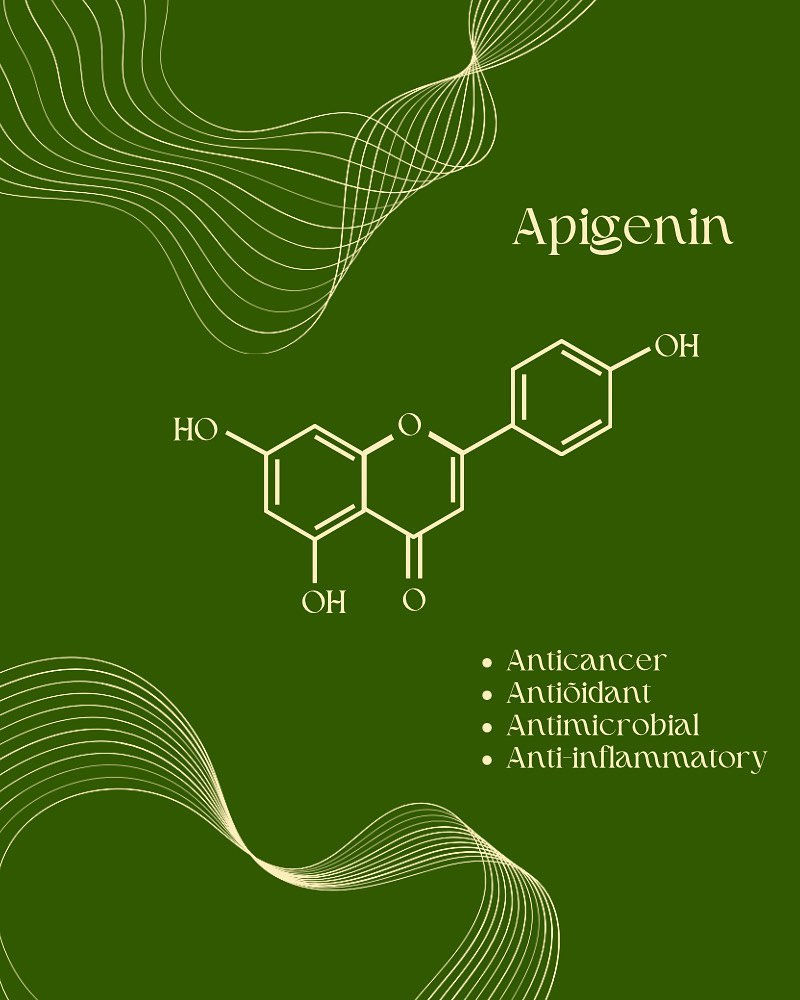
Chamomile tea contains flavones, a class of antioxidants. According to research, flavonoids may improve cardiovascular health by reducing LDL, also known as “bad” cholesterol. The main component in chamomile is apigenin, an antioxidant that binds to certain receptors in your brain that may promote sleepiness and reduce insomnia, or the chronic inability to sleep. Furthermore, In test-tube studies, apigenin has been shown to fight cancer cells, especially those of the breast, digestive tract, skin, prostate and uterus.
Additionally, its anti-inflammatory properties may prevent damage to the cells of your pancreas. Having a healthy pancreas is extremely important because it produces insulin, the hormone responsible for moving sugar from your blood into cells. So next time grab a mug and steep a chamomile tea bag in hot water before bedtime.
Ginseng

A plant tuber credited with various tonic and medicinal properties native to eastern Asia and North America
Visiting the kimchi kingdom without tasting samgyetang, ginseng chicken soup, is a miss. Traditionally eaten during the hottest days of summer in Korea, it keeps up the energy and to balance the body heat with the weather outside. How could a hot soup deal with the heat of the scorching sun? Let’s discover the secret behind: the powerful ingredient - ginseng.

There are many varieties of this herb, including American ginseng (Panax quinquefolius) and Asian ginseng (Panax ginseng). Ginseng improves pancreatic cell function, boosts insulin production, and enhances the uptake of blood sugar in tissues. Moreover, studies show that ginseng extracts provide antioxidant protection that can help reduce free radicals in the cells of those with diabetes. Additionally, it maintains proper blood circulation and can boost vascular endothelial cell-derived nitric oxide secretion, which decreases blood pressure. Ginsenosides in this herb may help reduce inflammation and provide antioxidant protection. The cell cycle is the process by which cells normally grow and divide. Ginsenosides could benefit this cycle by preventing abnormal cell production and growth.
Ginseng root can be taken in a number of ways. It may be consumed raw or mildly cooked to soften it. You may also cook it in water to produce tea. Ginseng may be used in a variety of cuisines, including soups and stir-fry foods. The extract is also available in powder, tablet, pill, and oil form.


Comments