

Muscular Diseases

Muscular Dystrophy
A group of inherited genetic disorders characterized by progressive muscle weakness due to degeneration of muscle fibers. Symptoms usually begin in childhood or adolescence and include muscle weakness, difficulty walking, frequent falls, and muscle wasting. Some types (e.g. Duchenne MD) can also affect the heart and respiratory muscles. The disease is caused by mutations in genes responsible for muscle structure (e.g. dystrophin). There is no cure, but treatment focuses on slowing progression and managing complications. It usually affects 1 in 3,500–6,000 males at birth and rare in females.
Spinal Muscular Atrophy
A genetic disorder characterized by degeneration of motor neurons in the spinal cord, causing progressive muscle weakness and atrophy. Symptoms range from severe infantile weakness to milder adult-onset forms, depending on the type. Patients may have difficulty sitting, standing, walking, or breathing. SMA is caused by mutations in the SMN1 gene, leading to reduced survival motor neuron protein. Recent advances in gene therapy and disease-modifying treatments have significantly improved outcomes. It affects 1 in 4,000 to 16,000 births
Myasthenia Gravis
An autoimmune disorder affecting the neuromuscular junction, leading to fluctuating muscle weakness that worsens with activity and improves with rest. Common symptoms include drooping eyelids (ptosis), double vision, slurred speech, and difficulty chewing or swallowing. It is caused by antibodies against acetylcholine receptors (or related proteins), impairing nerve-to-muscle signaling. Symptoms often worsen at the end of the day. Treatment includes acetylcholinesterase inhibitors, immunosuppressants, and sometimes thymectomy. The mean global prevalence is 173 cases per million.
Infectious Myositis
Inflammation of skeletal muscles caused by bacterial, viral, fungal, or parasitic infections. Patients may present with muscle pain, swelling, tenderness, weakness, and fever. Bacterial myositis (e.g. Staphylococcus aureus) can cause abscess formation, while viral myositis often follows a flu-like illness. Diagnosis involves blood tests (raised CK), imaging, and sometimes muscle biopsy. Treatment depends on the causative organism and may include antibiotics or antivirals
Amyotrophic Lateral Sclerosis
A progressive neurodegenerative disease affecting both upper and lower motor neurons, leading to muscle weakness and paralysis. Symptoms include muscle weakness, twitching (fasciculations), spasticity, and difficulty speaking or swallowing. Sensory function and cognition are usually preserved. ALS progresses relentlessly and eventually affects respiratory muscles. Most cases are sporadic, though some are genetic. Treatment is mainly supportive, with medications that modestly slow disease progression. It affects 4.5 people per 100,000 globally.
Sarcopenia
An age-related progressive loss of skeletal muscle mass, strength, and function. Sarcopenia increases the risk of falls, frailty, and loss of independence in older adults. It is caused by a combination of aging, reduced physical activity, hormonal changes, and inadequate nutrition (especially protein). Symptoms include weakness and reduced endurance rather than pain. Management focuses on resistance exercise, adequate protein intake, and addressing underlying health conditions. Prevalence varies by age; ~5–13% in ages 60–70 and ~11–50% in people >80 years globally.
Becker Muscular Dystrophy
Becker muscular dystrophy is a genetic neuromuscular disorder characterized by progressive muscle weakness that is similar to Duchenne muscular dystrophy but generally milder and slower in progression. It is caused by mutations in the dystrophin gene that result in reduced or partially functional dystrophin protein, which is essential for maintaining muscle fiber integrity. Symptoms usually begin in adolescence or early adulthood and include weakness of the hips and thighs, difficulty climbing stairs, and reduced endurance; cardiac muscle involvement is common and can lead to cardiomyopathy. There is no known method of prevention, although genetic counselling can help families understand inheritance risks. Becker muscular dystrophy affects approximately 1 in 18,000–30,000 male births, and with appropriate cardiac and respiratory care, many individuals have a near-normal life expectancy.
Facioscapulohumeral Muscular Dystrophy
Facioscapulohumeral muscular dystrophy is an inherited disorder that primarily affects the muscles of the face, shoulders, and upper arms, leading to progressive muscle weakness over time. The condition is caused by genetic changes that allow abnormal expression of the DUX4 gene, which damages muscle cells. Symptoms often begin in adolescence or early adulthood and include difficulty smiling or closing the eyes, shoulder blade instability, and progressive weakness of the upper limbs, with some individuals later developing lower limb involvement. There is no known prevention, but early diagnosis and physiotherapy can help preserve function and delay disability. FSHD has an estimated global prevalence of approximately 1 in 15,000–20,000 people, making it one of the more common forms of muscular dystrophy.
Limb-Girdle Muscular Dystrophy
Limb-girdle muscular dystrophy refers to a group of genetically diverse disorders that cause progressive weakness of the muscles around the hips and shoulders. These conditions are caused by mutations in genes responsible for muscle repair, stability, and energy production. Symptoms typically include difficulty rising from a seated position, climbing stairs, or lifting objects, and disease severity varies widely depending on the subtype. While there is no way to prevent LGMD, genetic testing and counselling may help identify carriers and guide family planning decisions. The estimated prevalence ranges from 1 to 9 cases per 100,000 people, with certain subtypes more common in specific populations.
Rhabdomyolysis
Rhabdomyolysis is a serious medical condition involving rapid breakdown of skeletal muscle tissue, leading to the release of muscle proteins such as myoglobin into the bloodstream. It can be caused by traumatic injuries, extreme physical exertion, infections, medications, or exposure to toxins. Symptoms include muscle pain, weakness, swelling, and dark-colored urine, and severe cases may result in acute kidney failure. Preventive measures include adequate hydration, avoiding excessive physical exertion, and prompt treatment of muscle injuries or infections. While exact global prevalence is unknown, rhabdomyolysis is responsible for approximately 5–25% of acute kidney injury cases in hospitalized patients.
Periodic paralysis
Periodic paralysis is a rare inherited neuromuscular disorder characterized by episodic attacks of muscle weakness or paralysis. It is caused by mutations in ion channel genes that disrupt normal muscle cell excitability, often triggered by changes in blood potassium levels. Symptoms include sudden, reversible episodes of muscle weakness that may be triggered by rest after exercise, stress, or dietary factors. Preventive strategies focus on avoiding known triggers, dietary modification, and medications to stabilize ion channels. Periodic paralysis is estimated to affect approximately 1 in 100,000 people worldwide.
Congenital Myopathies
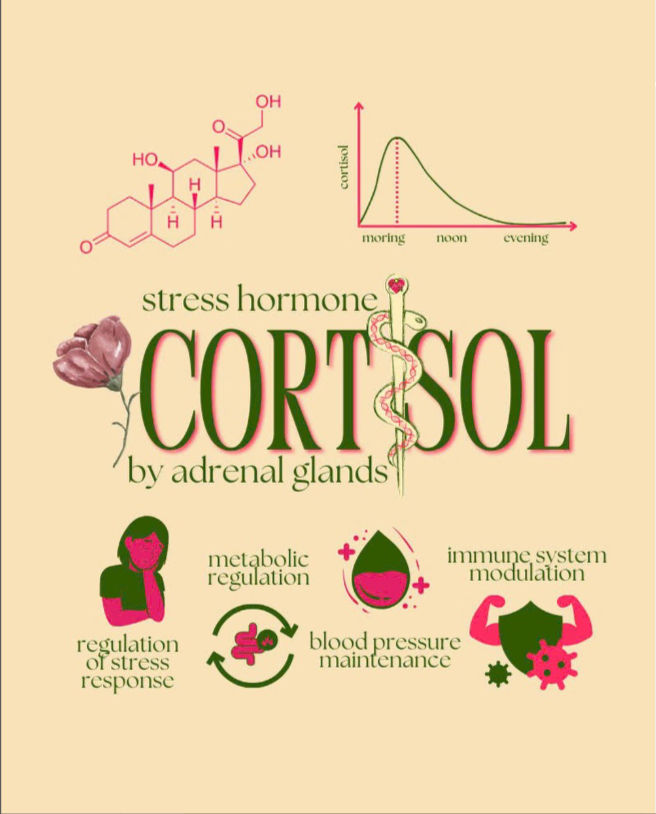
What is your ideal work life? Having a fresh start in the morning and early dismissal in the afternoon? In today’s five-to-nine working environment, that is far from reality. For worse, you have seen doctors who burnout after working night shifts due to shortage of manpower. However, this alarmingly affects the pattern of cortisol release, which usually peaks in the morning and decreases in the evening.
As a glucocorticoid, cortisol is released by adrenal gland regulated by pituitary gland during stress. When the cortisol level in your blood falls, your hypothalamus releases corticotropin-releasing hormone. This directs your pituitary gland to make adrenocorticotropic hormone (ACTH). ACTH then triggers your adrenal glands to make and release cortisol. Cortisol also regulates how your body uses glucose (sugar) for energy, decreases inflammation, regulates blood pressure and helps control your sleep-wake cycle.
To maintain a stable cortisol level, get quality sleep, practice deep breathing, enjoy and maintain healthy relationships!
Congenital myopathies are a group of rare genetic muscle disorders present from birth and characterized by abnormal muscle structure and function. They are caused by mutations in genes involved in muscle fiber development and contraction. Affected individuals often present with hypotonia (reduced muscle tone), muscle weakness, delayed motor development, and, in severe cases, respiratory difficulties. There are no preventive measures, although prenatal genetic testing and counselling can help identify risk in affected families. Congenital myopathies have an estimated prevalence of 1 in 25,000–50,000 live births globally.


Comments